September 3, 2026 · Luke Victors
Winterizing Rental Properties for Alaska Landlords
A practical winterizing checklist for Alaska landlords—heat, pipes, vacancies, tenant education, and vendor timing before Anchorage cold sets in.
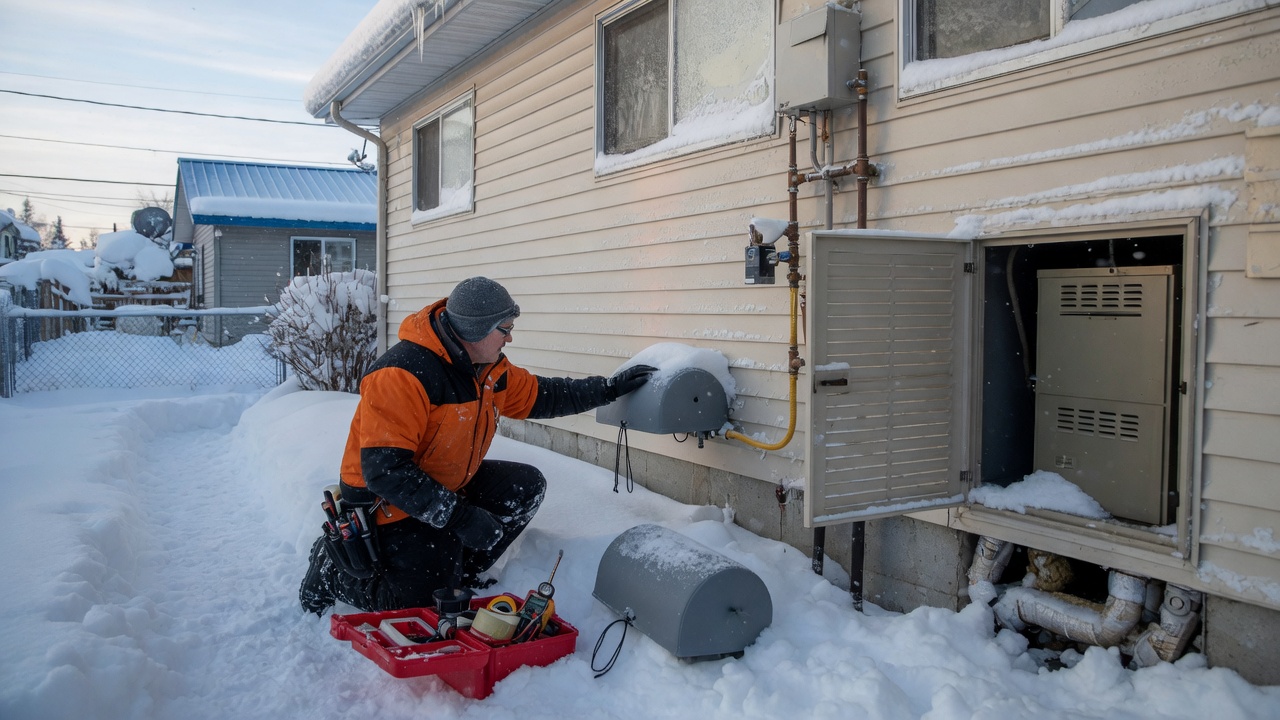
Winterizing rental properties in Alaska is not a one-weekend chore—it is an operating system. Anchorage landlords who calendar furnace service, vacant checks, and tenant communication see fewer catastrophic freezes and angry midnight calls. Alaska Real Estate Associates builds winter readiness into management because prevention is cheaper than thawing a house.
Pre-season mechanical checklist
Before hard cold arrives:
- Service furnaces, boilers, or primary heat systems
- Replace filters and verify thermostat accuracy
- Test smoke and carbon monoxide detectors; replace batteries as needed
- Confirm heat registers are unblocked
- Inspect known cold corners, crawlspace insulation, and weatherstripping
- Shut off and drain exterior hose bibs where applicable
- Review roof and gutter conditions related to ice dam risk
- Confirm snow removal contracts and emergency vendor contacts
Document completion dates. Memory is not a maintenance log.
Occupied units: educate without dumping liability
Give tenants a clear one-pager: recommended heat minimums, how to report outages, shutoff locations, and whether drip protocols are ever advised for that specific plumbing layout. Encourage immediate reporting of cold spots and drips. Tenants are partners in observation; landlords remain responsible for habitability obligations under applicable law. This article is not legal advice.
Vacant and turnover units
Empty homes are high risk. Maintain heat, consider monitoring, and schedule periodic checks. During make-ready, verify heat before leaving a unit idle after cleaners finish. Market promptly so vacancy days do not stack in January. See lease-up practices alongside /services/landlords.
Mid-winter inspections
With proper notice, brief mid-season checks can catch blocked vents, unsafe space heaters, or failing weatherstripping. Pair renewal talks with heat performance notes. Keep the tone collaborative and documented.
Budgeting for winter truth
Price reserves for heat repairs and snow years. Deferred boiler replacement “until next summer” sometimes becomes an emergency at the worst moment. Owners of duplexes should think about shared systems and tenant coordination across units—/services/investment-property-management can help structure that complexity.
Remote owners
If you live Outside, do not rely on a neighbor’s occasional drive-by as your entire plan. Use professional management with explicit winter protocols: /services/out-of-state-landlords. Military owners keeping a home during PCS should review /services/pcs-property-management.
Work with AREA on a winter plan
Call (907) 644-8850 or reach /contact. We will review your property’s risk points and timing. Broader services live at /services.
Vendor timing and parts reality
Schedule service before the first cold snap crowds every technician’s calendar. Keep furnace filters on site. Know which failures require temporary heaters versus immediate replacement decisions. Photograph mechanical rooms annually so remote owners can see dust, corrosion, or DIY wiring concerns early.
Winterizing will not eliminate every emergency, but it converts chaos into manageable events. Anchorage rentals reward landlords who treat cold as predictable—and prepare accordingly.
After-hours triage and temporary heat
Define who decides when to deploy temporary heaters, hotel rooms, or emergency plumbing. Not every cold complaint is a full system failure—but treating every call as optional is how pipes burst. Keep a short escalation tree: call center or manager on duty, preferred HVAC vendor, owner approval threshold.
Remind tenants that ovens and stovetops are not heating plans. Provide guidance on safe space-heater use only if your insurance and lease allow them, and never as a substitute for repairing primary heat. Winterizing includes culture and communication, not only mechanical checklists.
Roof, drainage, and exterior access
Walk exterior stairs, handrails, and hose connections before freeze-up. Address trip hazards that become ice rinks. Where ice damming has occurred before, discuss attic ventilation and insulation with qualified contractors rather than only chipping symptoms each March. Keep emergency roofers’ contacts alongside HVAC vendors.
For hillside or long-driveway rentals, confirm plow width and turnaround space so vendors can actually reach the home after a dump of snow.
Ready to buy, sell, or manage property in Anchorage?
Talk with Alaska Real Estate Associates — (907) 644-8850.
Contact Us