September 2, 2026 · Luke Victors
Tenant Screening and Winterization for Alaska Rentals
Two pillars of successful Alaska rentals: careful tenant screening and disciplined winterization. How Anchorage landlords can reduce risk year-round.
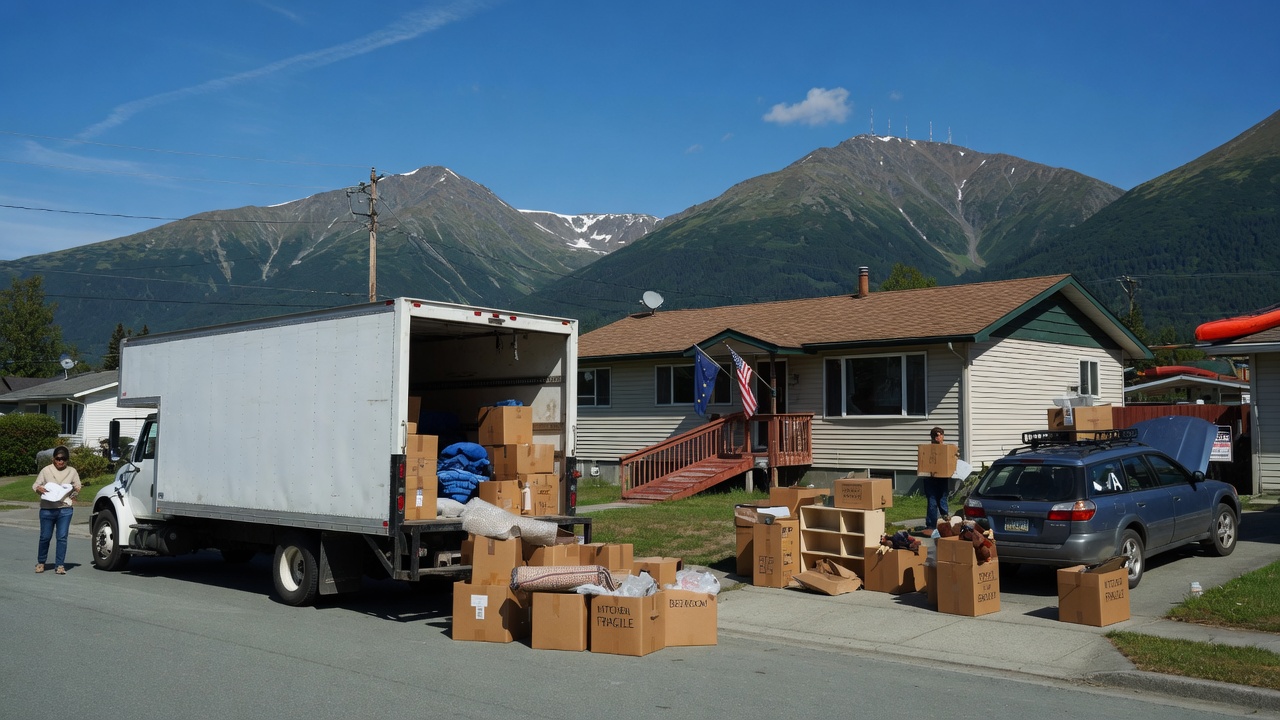
In Anchorage, a rental’s performance depends as much on who lives there and how the building is prepared for winter as it does on the asking rent. Landlords who treat screening and winterization as core systems—not afterthoughts—generally see fewer emergencies and smoother renewals. Alaska Real Estate Associates builds both into day-to-day management.
Screening that respects law and local reality
A consistent written criteria sheet helps you evaluate applicants fairly. Common elements include identity verification, income or orders documentation, credit review, criminal background checks as permitted, prior landlord references, and pet screening. Military applicants may present LES statements and PCS orders; remote workers may show different income patterns. Apply standards uniformly.
Fair Housing compliance is mandatory. Do not invent informal rules that discriminate against protected classes. This overview is not legal advice—confirm your process with counsel familiar with Alaska and federal requirements.
Red flags to investigate (not automatic denials without context) can include unexplained gaps in housing history, reluctance to authorize checks, or income that cannot support rent plus utilities. Document decisions.
Winterization as an operating system
Before hard freezes, walk the property with a checklist:
- Furnace or boiler service and thermostat function
- Filter supply and carbon monoxide detector tests
- Known cold spots, crawlspace insulation, and hose bib shutoffs
- Roof and gutter condition relative to ice damming risk
- Snow removal contracts and emergency vendor list
- Tenant education sheet: heat minimums, drip instructions if used, shutoff locations, and after-hours contacts
Vacant units need special care: maintain heat, consider monitored sensors, and schedule periodic checks. A dark, unheated house in January is a liability magnet.
Lease clauses that support both goals
Clear maintenance reporting duties, entry notice for inspections, utility responsibilities, and military clauses (when appropriate) reduce ambiguity. Avoid copying random internet leases; use Alaska-aware documents reviewed for your situation.
How management ties the pieces together
Professional managers market to qualified applicants, run screening, and then keep winter protocols on a calendar so busy owners do not rely on memory. See /services/landlords for how AREA approaches Anchorage portfolios.
Protect your investment
If your screening is informal or your winter prep is “hope for the best,” let’s tighten the system. Call (907) 644-8850 or reach out via /contact. We will review your property’s risk points and a practical plan for the next cold season.
Mid-winter inspections and renewals
A brief mid-season check—scheduled with proper notice—can catch dripping valves, blocked vents, or unsafe cords before they become claims. Pair renewal conversations with a review of heat performance and any tenant-reported cold spots. Document agreed repairs so expectations stay aligned.
When turnover happens in cold months, accelerate make-ready: verify heat before cleaners arrive, watch pipe risk in vacant days, and market the unit with winter-ready photos rather than waiting for spring curb appeal.
Ready to buy, sell, or manage property in Anchorage?
Talk with Alaska Real Estate Associates — (907) 644-8850.
Contact Us