
September 3, 2026 · Luke Victors
Temporary Housing for Alaska Projects
Temporary housing for Alaska project teams in Anchorage—crew capacity, flexible terms, winter logistics, and how to avoid costly downtime.
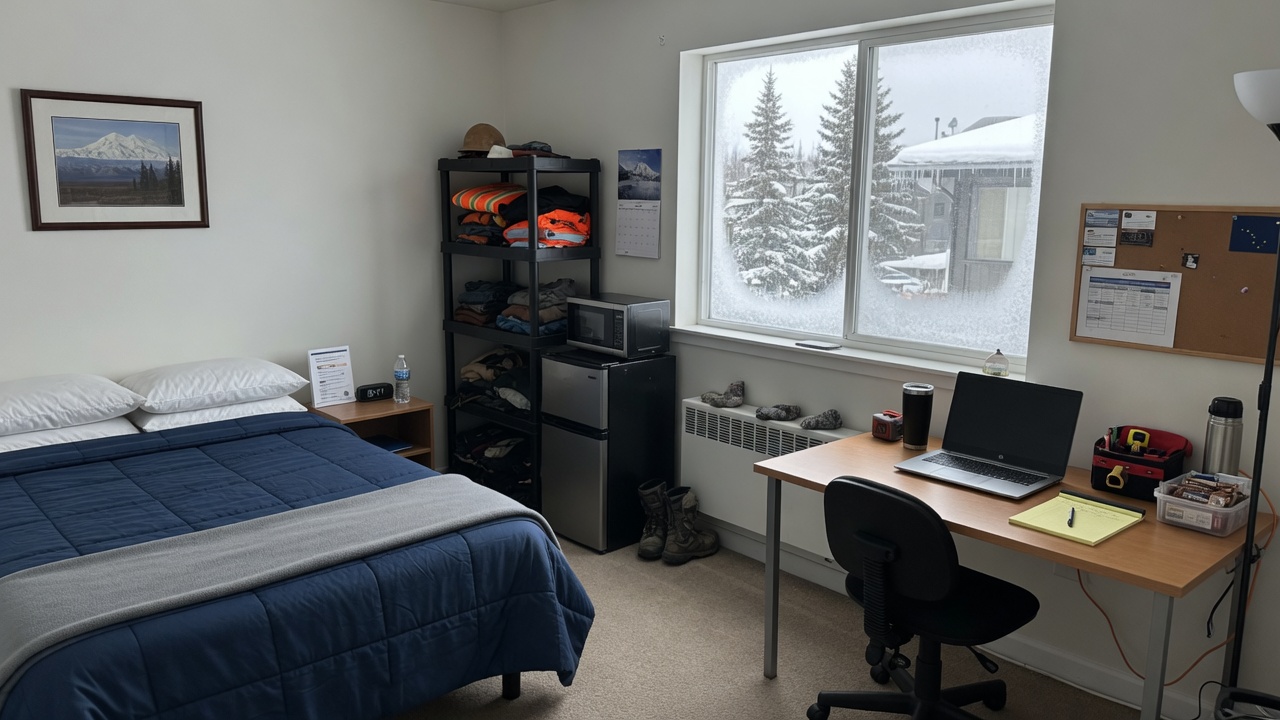
Alaska projects live and die on logistics. When crews cannot sleep, cook, and recharge reliably, schedules slip. Temporary housing for Anchorage-based and Southcentral project work needs to handle staggered arrivals, tool storage, laundry loads, and winter access—not just a roof. Alaska Real Estate Associates supports companies that need residential project housing with clearer accountability than ad-hoc motel sprawl.
Project housing is an operations decision
Treat housing like another critical path item:
- How many people arrive in each wave?
- Do roommates share units, or are single rooms required?
- What is the minimum viable kitchen and laundry setup?
- Who approves overtime stay extensions when weather or materials delay the job?
- Where will trucks and personal vehicles park after snowfall?
Underestimating parking and laundry creates daily friction that shows up as fatigue and turnover.
Matching product type to project length
Short surges may fit corporate rentals or multi-room furnished homes. Multi-month mobilizations often need a mix of furnished corporate housing and standard leases. Some contractors stage a core house for supervisors and rotate junior staff through shared units. Explore /services/corporate-housing and /services/corporate-rentals, and use /for-rent when longer unfurnished leases make sense.
Anchorage and corridor location strategy
Map housing to job sites, yards, and airport patterns. Midtown and central corridors can simplify supply runs. South and hillside areas may add driveway complexity in winter. Eagle River and north-corridor homes can help certain routes—but only if morning ice time is built into callout schedules. Ask for properties with practical entries and storage rather than purely aesthetic staging.
House rules that protect the asset and the schedule
Project housing fails when expectations are informal. Put in writing:
- Occupancy limits and quiet hours
- Smoking, pets, and guest policies
- Cleaning standards between rotations
- Damage reporting within 24 hours
- Who holds keys and lockbox codes
Document condition with photos at each major turnover. This is operational hygiene, not hostility.
Winter and safety basics
Maintain heat in every occupied unit, keep CO and smoke detectors working, and brief occupants on shutoff locations. Vacant days between crews still need freeze protection. Snow contracts should be active before the first storm, not after trucks are stuck. This overview is general information—not legal advice on workplace housing obligations or life-safety codes; confirm requirements with your safety and legal teams.
Commercial coordination without losing residential quality
AREA can coordinate multiple units, staggered keys, and owner communication so project managers are not texting five different landlords at midnight. For employers also moving permanent staff, pair project beds with /services/employee-relocation planning.
Get a project housing plan
Call (907) 644-8850 or send dates, headcount, and site constraints through /contact. We will outline Anchorage options that keep crews functional through cold weather and change orders.
Cost control without false economy
The cheapest nightly rate is not always the lowest project cost. Failed heat, missing laundry, or locations that add an hour of driving can erase savings quickly. Compare all-in weekly cost, including utilities, parking, and likely extension weeks. Build a contingency unit or flexible extension clause when the critical path is weather-sensitive.
When demobilization nears, schedule cleaning and final walkthroughs early so deposits and invoices close cleanly while your team’s attention shifts to the next job.
Health, quiet hours, and community goodwill
Project housing sits inside real neighborhoods. Brief crews on quiet hours, trash schedules, and parking courtesy so one loud week does not create landlord or municipal complaints that threaten the lease. Provide a single on-site lead responsible for house condition between rotations. Shared kitchens need basic food-safety habits and labeled shelves when multiple companies or crews overlap.
Build a weather delay playbook: if flights or roads slip, who authorizes extra nights, and how is that communicated to the property contact? Projects that treat housing like a living Gantt chart lose fewer days than those that scramble at midnight.
Ready to buy, sell, or manage property in Anchorage?
Talk with Alaska Real Estate Associates — (907) 644-8850.
Contact Us