
September 2, 2026 · Luke Victors
Short-Term vs Long-Term Rentals in Alaska
Compare short-term and long-term rental strategies in Anchorage and Southcentral Alaska—regulation, workload, seasonality, and investor fit.
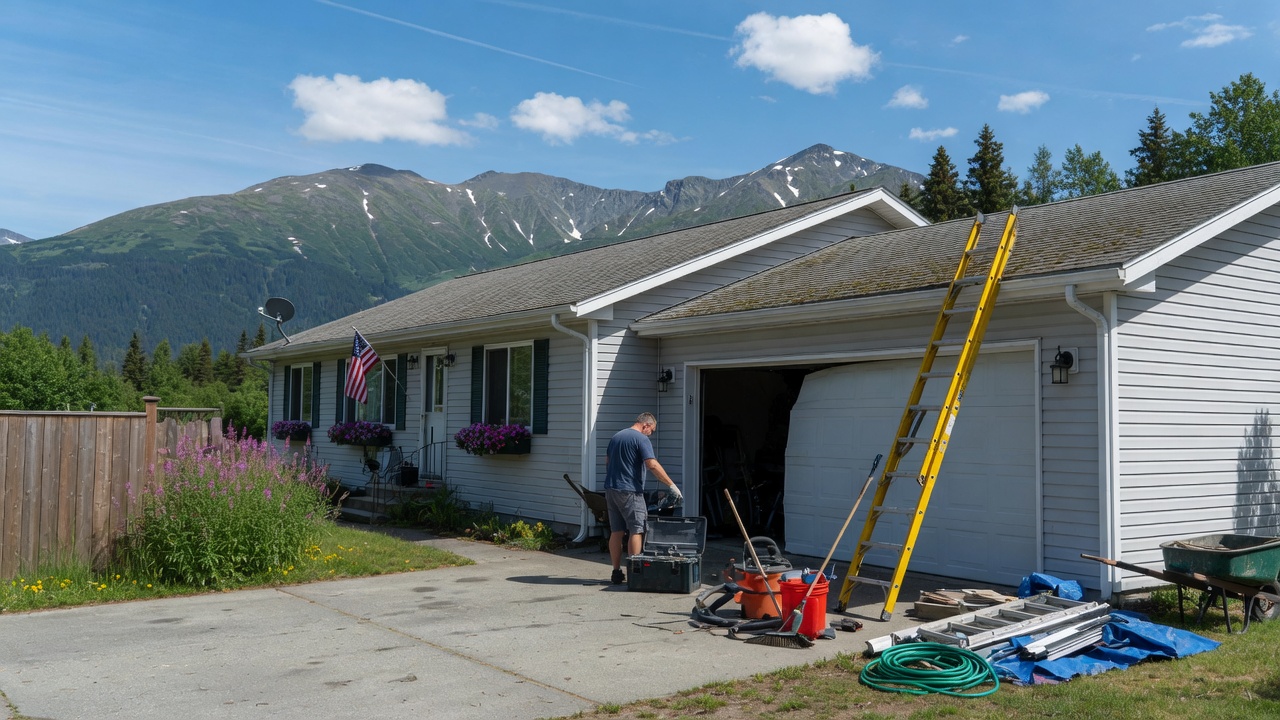
Investors in Anchorage and nearby communities often ask whether a property should be a traditional long-term rental or a short-term/vacation-style listing. The honest answer depends on location, regulations, your time, and risk tolerance. Alaska Real Estate Associates primarily supports long-term residential management, and we want owners to choose with clear eyes.
Long-term rentals: steadier operations
Long-term leases typically mean:
- More predictable monthly rent and fewer turnover cleanings
- Tenant relationships measured in months and years
- Screening-focused placement and Alaska-aware leases
- Maintenance that follows a residential rhythm, including winter protocols
Military and workforce demand can support solid long-term occupancy when units are priced and maintained well. Management models for this path are mature—see /services/landlords.
Short-term rentals: hospitality workload
Short-term strategies may capture seasonal tourism or traveling nurse/military temporary stays, but they behave like a hospitality business: dynamic pricing, reviews, frequent cleaning, linen logistics, and guest communication at odd hours. Seasonality can be sharp—strong summers do not automatically fund quiet winters. Platform fees and furnishing costs add up.
Rules and compliance
Municipal zoning, permitting, taxation, HOA covenants, and insurance requirements can restrict or condition short-term rentals. These rules change and vary by location. This is not legal or tax advice. Verify current requirements with the Municipality of Anchorage or relevant borough, your HOA, insurer, and a qualified attorney or tax professional before you furnish a unit for transient stays.
How to decide
Ask:
- Will I (or a hired operator) answer guest issues at midnight?
- Can this address legally operate short-term, and at what cost?
- Do I need stable cash flow for a mortgage, or can I absorb seasonality?
- Is the property’s layout and parking guest-friendly?
- What is my exit plan if rules tighten?
Many owners start long-term, especially if they live Outside and need simpler oversight. Others deliberately run short-term with local co-hosts. Mixing strategies across a portfolio can also make sense.
Local counsel for the housing decision
If you are weighing purchase of a rental asset—or converting a former primary residence—talk through numbers and operations with a local team. Call (907) 644-8850 or visit /contact. Explore general services at /services. We will help you match property and strategy without pretending every address is an automatic vacation winner.
Hybrid and transitional strategies
Some owners use a long-term lease during school-year stability and reconsider strategy at renewal—not mid-winter on a whim. Others buy with a long-term plan and only evaluate short-term if zoning, HOA rules, and personal bandwidth clearly support it. Whichever path you choose, furnish and insure for that use before the first guest or tenant arrives.
If you are unsure, model both strategies with conservative winter occupancy for short-term and realistic vacancy for long-term. Optimism is not an underwriting input.
Ready to buy, sell, or manage property in Anchorage?
Talk with Alaska Real Estate Associates — (907) 644-8850.
Contact Us