September 3, 2026 · Luke Victors
Lease Enforcement for Alaska Rentals: A Practical Overview
Practical overview of lease enforcement for Alaska rentals—documentation, notices, communication, and when to involve professionals. Not legal advice.
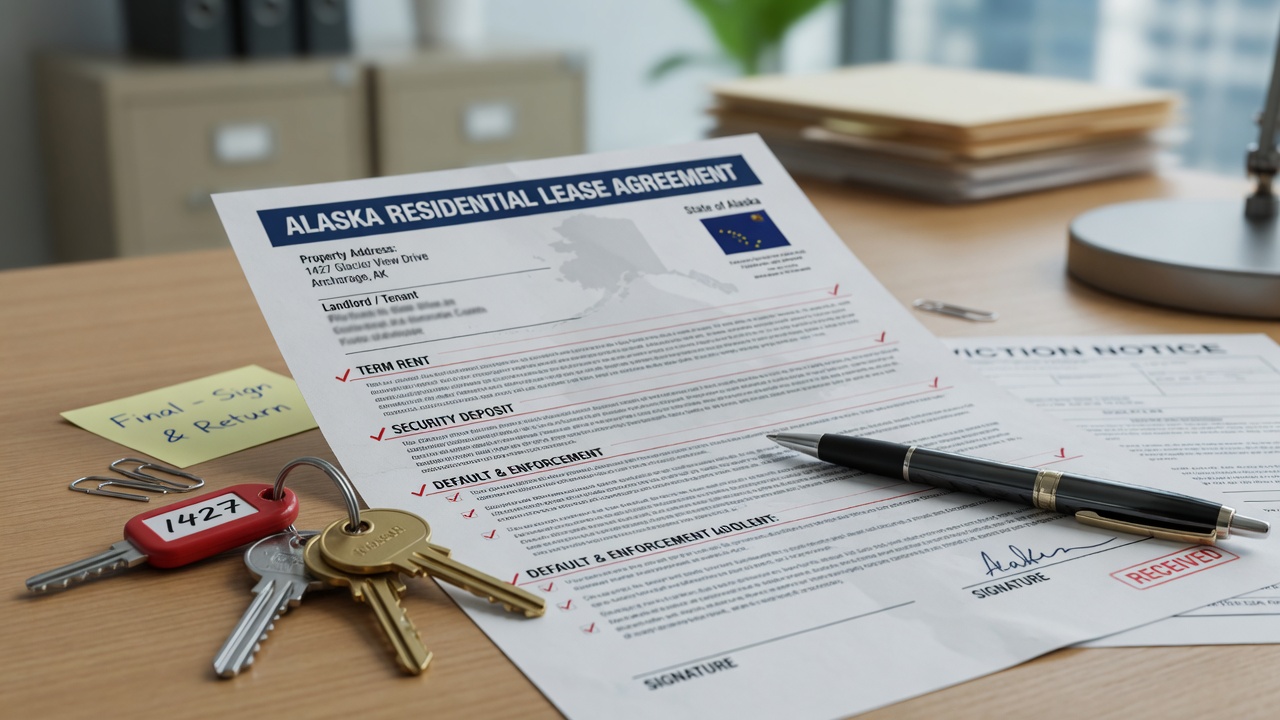
Lease enforcement is how Anchorage landlords protect safety, finances, and fairness for everyone in the property—not a personality contest with tenants. Clear leases, consistent documentation, and lawful processes matter more than angry texts. This overview from Alaska Real Estate Associates is practical orientation only. It is not legal advice. For any nonpayment, habitability dispute, or possession action, consult a qualified Alaska attorney and rely on primary legal sources.
Start with a clear, Alaska-aware lease
Enforcement is only as strong as the underlying agreement and applicable law. Spell out rent due dates, acceptable payment methods, late fees as permitted, occupancy limits, pets, maintenance reporting, entry notice, and winter-related duties that are appropriate to assign. Avoid copying random internet leases. Military clauses, if used, should be intentional and reviewed.
Documentation is your daily discipline
Keep a ledger, save notices, and record maintenance communications. When issues arise—unauthorized occupants, repeated late rent, property damage—factual timelines beat emotional summaries. Photos with dates help. Managers should use systems that preserve records for owners.
Communication before escalation
Many problems resolve with early, written communication: reminder of lease terms, opportunity to cure, and a clear next step if conduct continues. Be professional and consistent across tenants to support Fair Housing compliance. Do not invent informal side deals that contradict the lease without proper amendments.
What not to do
Owners should never use unlawful self-help: changing locks without proper process, shutting off essential services to force a move-out, or removing tenant belongings improperly. Those tactics create serious risk. If you are unsure what is permitted, stop and get legal counsel before acting.
Nonpayment and serious breaches
Follow required notice types and timelines under Alaska law and your lease. Court processes exist for a reason. Factor costs, timelines, and vacancy aftermath into decisions—sometimes negotiation and a structured move-out beat a longer conflict, but that is a case-specific legal and business judgment, not something a blog can prescribe.
Habitability and enforcement are not opposites
Landlords who ignore repairs undermine their position and their tenants’ safety. Keep essential systems working, especially heat in winter, and document your response times. Enforcement of tenant duties pairs with meeting owner duties.
Where management helps
Professional managers apply consistent standards, serve notices properly within their scope, coordinate counsel when needed, and keep owners informed. Learn more at /services/landlords, /services/investment-property-management, and /services/out-of-state-landlords. Remote owners especially benefit from local process discipline.
Practical prevention
Strong screening, clear move-in orientations, and mid-lease check-ins prevent many enforcement dramas. Winterize, respond to maintenance, and price renewals reasonably so good tenants stay.
Talk with AREA
If your rental operations feel informal or reactive, call (907) 644-8850 or use /contact. We will discuss management fit and point you to /services. For vacancy aftermath planning after a turn, see marketing context on /for-rent.
Tone matters
Firm and respectful beats loud. Most Anchorage tenants want a stable home; most owners want a stable asset. Lease enforcement done lawfully and calmly protects both—while recognizing that some situations require attorneys, not templates.
Tax consequences of unpaid rent, settlements, or damages are separate issues—consult a tax professional. AREA does not provide legal, tax, or financial advice; we provide local property operations grounded in clear expectations and documentation.
Consistency across the portfolio
Selective enforcement—strict with one tenant, casual with another for the same conduct—creates Fair Housing and practical risks. Train yourself or your manager to apply written standards evenly, with documented exceptions only when legitimate and non-discriminatory reasons exist. Review late-fee and notice practices annually so they still match the lease and current law.
When a situation escalates, pause public venting and work privately with counsel and your management team. Social media arguments about a tenant dispute help no one and can complicate later proceedings. Calm process is part of enforcement quality.
Ready to buy, sell, or manage property in Anchorage?
Talk with Alaska Real Estate Associates — (907) 644-8850.
Contact Us