September 3, 2026 · Luke Victors
Alaska Landlord Responsibilities: A Practical Overview
A practical overview of Alaska landlord responsibilities—habitability, deposits, notice, and winter care—without treating a blog post as legal advice.
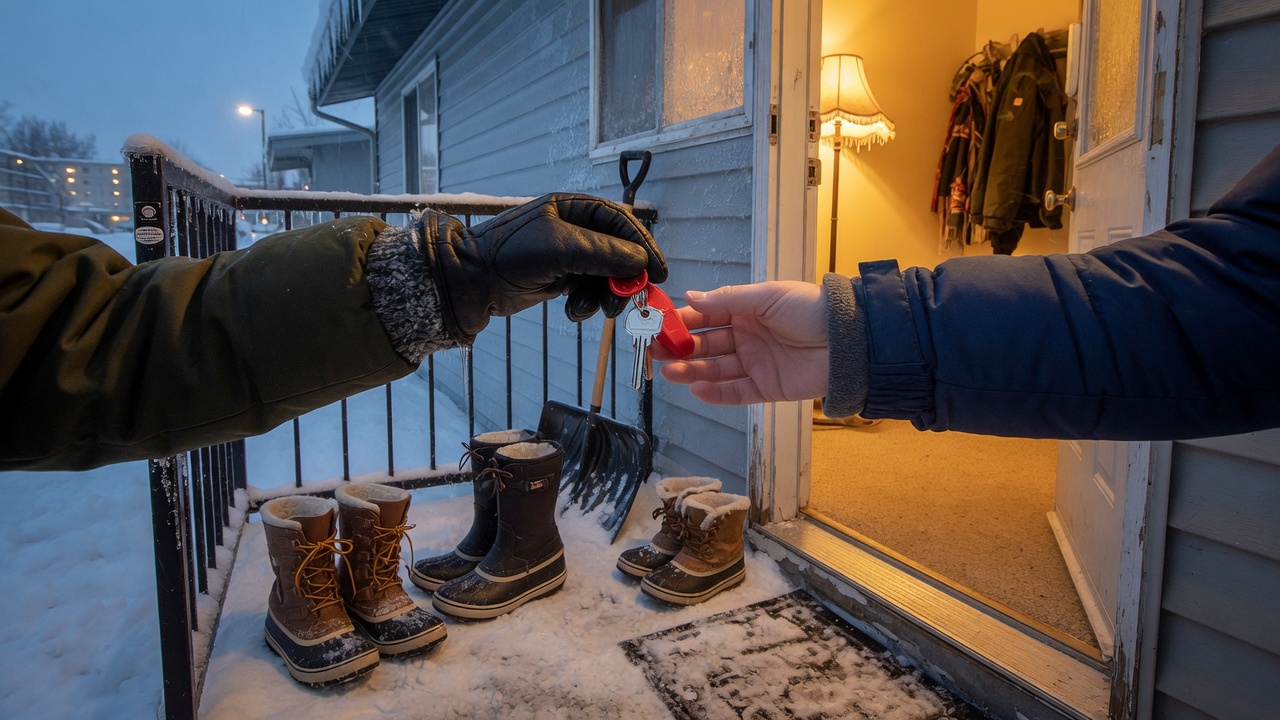
Landlording in Alaska combines familiar landlord-tenant themes with cold-climate stakes. Habitability is not abstract when heat fails in January. This overview from Alaska Real Estate Associates highlights practical responsibilities owners should understand. It is not legal advice. For disputes or formal interpretation of Alaska Statutes and local ordinances, consult a qualified attorney and primary legal sources.
Core expectations owners should take seriously
While details live in statute and case-specific facts, landlords commonly need to:
- Provide and maintain premises fit for habitation
- Keep essential services and systems functioning as required
- Respect lawful entry notice practices except true emergencies
- Handle security deposits according to applicable rules and lease terms
- Avoid unlawful discrimination under Fair Housing requirements
- Follow proper processes for notices, nonpayment, and possession—never “self-help” lockouts
Tenants likewise have duties: pay rent, avoid damage beyond normal wear, and report problems reasonably. Healthy rentals are partnerships with paperwork.
Winter raises the operational bar
In Anchorage and Southcentral Alaska, responsible ownership includes proactive heat maintenance, pipe protection protocols, and clear after-hours contacts. Waiting until a tenant texts that the furnace died at midnight is a fragile strategy. Document furnace service, keep vendor lists current, and educate tenants on reporting expectations without shifting life-safety duties inappropriately.
Deposits, condition, and documentation
Move-in and move-out documentation protects both parties. Use dated photos, signed checklists, and written notices. Ambiguity favors conflict. If you use a manager, require the same discipline you would want in court or mediation—even if you hope never to need either.
Repairs, habitability, and communication
Establish a maintenance channel and response standards. Distinguish emergencies (active flooding, no heat in deep cold, gas smell) from routine items. Put response expectations in the lease and follow them. Retaliatory behavior when tenants assert rights creates legal and practical risk—again, seek counsel for case-specific questions.
Why many Anchorage owners hire managers
Professional management helps with screening consistency, rent collection, vendor coordination, and calendar-driven winterization. Explore /services/landlords, /services/investment-property-management, and—if you live Outside—/services/out-of-state-landlords.
Military tenancies and special clauses
Many Anchorage leases involve service members. Military early-termination provisions and documentation requirements must be handled carefully. Confirm language with counsel; do not improvise from internet templates.
Get operational help, not just theory
AREA focuses on day-to-day compliance-minded operations and clear owner communication. Call (907) 644-8850 or use /contact. For service scope beyond landlords, see /services.
Recordkeeping habits that prevent headaches
Keep leases, notices, ledgers, repair invoices, and screening criteria organized by property. When ownership is shared among family members or partners, agree who can authorize repairs and legal steps. Confusion among co-owners often delays heat fixes longer than any vendor waitlist.
Taxes, depreciation, and entity structure are separate from habitability duties. Consult a tax professional for financial reporting questions—AREA does not provide tax advice.
Responsible landlording in Alaska is mostly consistency: safe homes, clear leases, documented communication, and winter preparedness that treats cold as a design constraint, not a surprise.
Local rules, HOAs, and special property types
Condo and HOA communities may add registration, minimum lease lengths, or insurance requirements on top of statewide landlord-tenant rules. Hillside or well-and-septic properties can carry extra maintenance expectations you should disclose and budget for. Read governing documents before you promise a pet-friendly lease you cannot honor.
When co-owning with family, put decision authority in writing. Split-brain ownership delays heat repairs and notice decisions. Responsible landlording includes governance among owners, not only obligations toward tenants.
Working with professionals when issues escalate
Early attorney consults on notices or deposit disputes are often cheaper than fixing a flawed process later. Property managers can coordinate vendors and documentation, but they do not replace legal counsel when possession or discrimination claims are in play. Keep your insurance agent informed about occupancy changes and significant incidents.
Owners who schedule annual portfolio reviews—leases, smoke and CO status, furnace records, and contact lists—meet responsibilities more reliably than those who only react after a complaint.
Ready to buy, sell, or manage property in Anchorage?
Talk with Alaska Real Estate Associates — (907) 644-8850.
Contact Us